

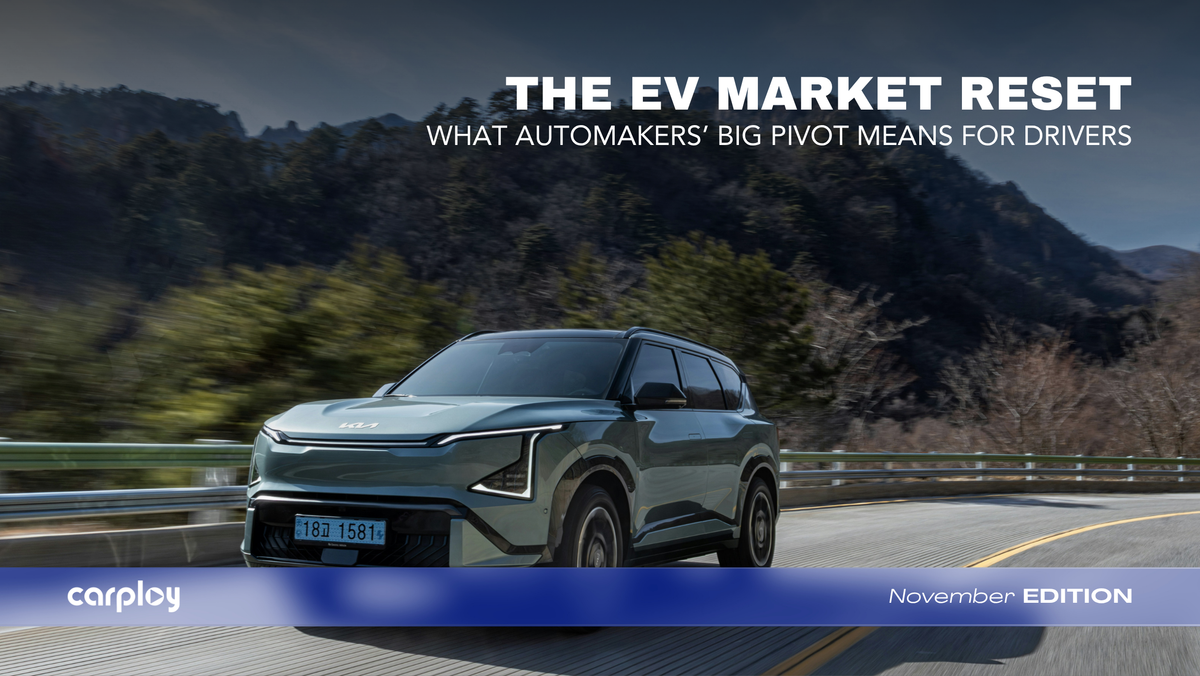
The rapid rise of the American electric vehicle market has hit an unmistakable plateau. After years of double-digit expansion, sales have settled around a 6% market share following recent adjustments to federal tax credit eligibility rules and rising borrowing costs. Major automakers are scaling back aggressive all-electric timelines, redirecting battery plant investments into grid energy storage and shifting focus toward affordable, smaller models. Understanding this market recalibration gives drivers and industry observers key clarity on where the vehicle technology landscape is heading next.
Inside the Shift: Market Mechanics and Industrial Reality
The initial rush for high-end, luxury electric vehicles satisfied early adopters who possessed both home charging capabilities and significant disposable income. Reaching mainstream car buyers requires a completely different economic equation. Today, high interest rates and battery replacement concerns have made buyers more cautious, highlighting two core structural challenges in the current vehicle ecosystem:
- Charging Infrastructure Deficits: Public charging networks still face reliability issues, leaving suburban commuters and rural drivers hesitant to give up internal combustion engines.
- Capital Allocation Adjustments: Developing massive, heavy electric trucks demands large battery packs that push retail prices beyond the reach of average consumers.
Recognizing these friction points, auto manufacturers are reallocating gigafactory investments. Rather than letting battery cell production lines sit idle while consumer demand catches up, companies are redirecting excess battery capacity toward utility-scale energy storage systems. This shift keeps factory operations financially viable while engineering teams redesign consumer vehicle lineups from the ground up.
What the EV Pivot Means for Today's Car Buyers
This industry-wide strategy shift is directly changing what vehicles will be available in showrooms over the next few years.

The Rise of Compact, Low-Cost Platforms
Automakers have paused multi-gigawatt investments in oversized electric SUVs to focus engineering resources on modular platforms cost-optimized for smaller cars. Expect a surge in compact crossovers and mid-sized sedans featuring smaller battery packs that deliver practical daily range without inflating the window sticker.
Strategic Bridge Vehicles Take Center Stage
Plug-in hybrid electric vehicles (PHEVs) and traditional hybrids are experiencing a massive resurgence. They offer drivers an immediate reduction in daily fuel expenses alongside total freedom from range anxiety, filling the gap while national charging infrastructure matures.
Stronger Residual Values for Well-Maintained Vehicles
With vehicle manufacturers slowing down new model rollouts and tempering production quotas, used car values across gas, hybrid and early EV segments remain stable. Maintaining your current vehicle’s drivetrain, electrical systems and cabin technology is more financially prudent than ever.
Broader Automotive Trends and Resale Dynamics
This market reset reflects a broader shift toward practical ownership. Drivers are holding onto their cars longer, with the average age of light vehicles in the US climbing past 12 years. As new vehicle prices remain elevated, maintaining cabin comfort, tech integration and overall reliability drives long-term vehicle equity.
Modern drivers want seamlessly integrated technology, reliable navigation, and advanced driver assistance features without being forced into an aggressive full-electric transition before the grid and their budgets are ready. Upgrading existing cabin tech, keeping maintenance up to date and tracking vehicle depreciation trends allow owners to enjoy modern digital conveniences while keeping ownership costs predictable.
How Carplaynav Keeps You Ahead of the Curve

At Carplaynav, we monitor every shift across the automotive landscape to help you make smarter decisions about your vehicle. Whether you want to extend the life of your current car, upgrade your dashboard technology or navigate the changing EV market, our platform provides deep technical analysis, practical vehicle guides and premier aftermarket tech solutions.
Explore our latest technical breakdowns, upgrade solutions and market updates at Carplaynav today to optimize your driving experience.
Which specific automotive market trends or aftermarket technology solutions would you like to explore next?


